“Bhutan doesn’t let you in easily. And once it does, it doesn’t let you go.”
I have stood at the edge of the Grand Canyon at sunrise. I have watched the sun melt into the Aegean from a white-washed cliff in Santorini. I have floated through the backwaters of Kerala, drifted down the canals of Venice, and stood in the shadow of the ancient temples of Angkor Wat as the morning mist lifted off the stone.
I have been, by most measures, a well-travelled woman. Many countries. Six continents. Decades of boarding passes, hotel pillows, and passport stamps that blur into a life lived in motion.
And yet, when people ask me which trip changed me, not just moved me, but genuinely rearranged something inside, I always come back to the same answer.
Bhutan.
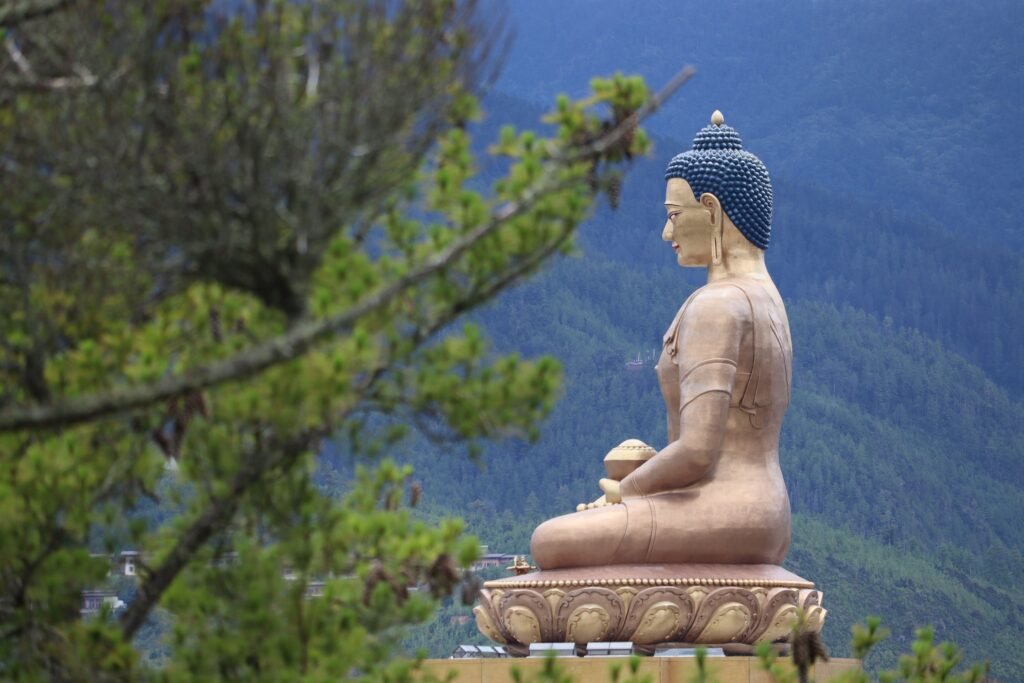
Some places teach you stillness before you even ask for it
I didn’t know what to expect when I landed in Paro. Bhutan is one of those destinations you hear about in hushed, reverent tones, a kingdom that measures its success not in GDP but in Gross National Happiness, a country so protective of its culture and land that it limits how many visitors it allows in each year
What I found there was something I hadn’t realised I was searching for.
“In Bhutan, nobody is rushing. Not the monks. Not the farmers. Not the children walking to school in their ghos and kiras. The entire country seems to have reached a quiet agreement with time.”
I arrived in Paro tired, the particular exhaustion that comes not from travel but from life. A demanding career, a full schedule, the constant hum of a connected world. I had booked this trip thinking it would be a break. I didn’t expect it to be a reckoning.
On my second morning, I woke before dawn and hiked to the Tiger’s Nest, Paro Taktsang, the monastery that clings to a cliff 3,000 feet above the valley floor. It was cold, and quiet, and harder than I expected. I stopped often. Not because my body needed to, but because I kept turning around to look at the valley below, at the farmhouses with their painted wooden facades, at the prayer flags strung between pine trees, snapping in a wind that felt like it carried something ancient in it.
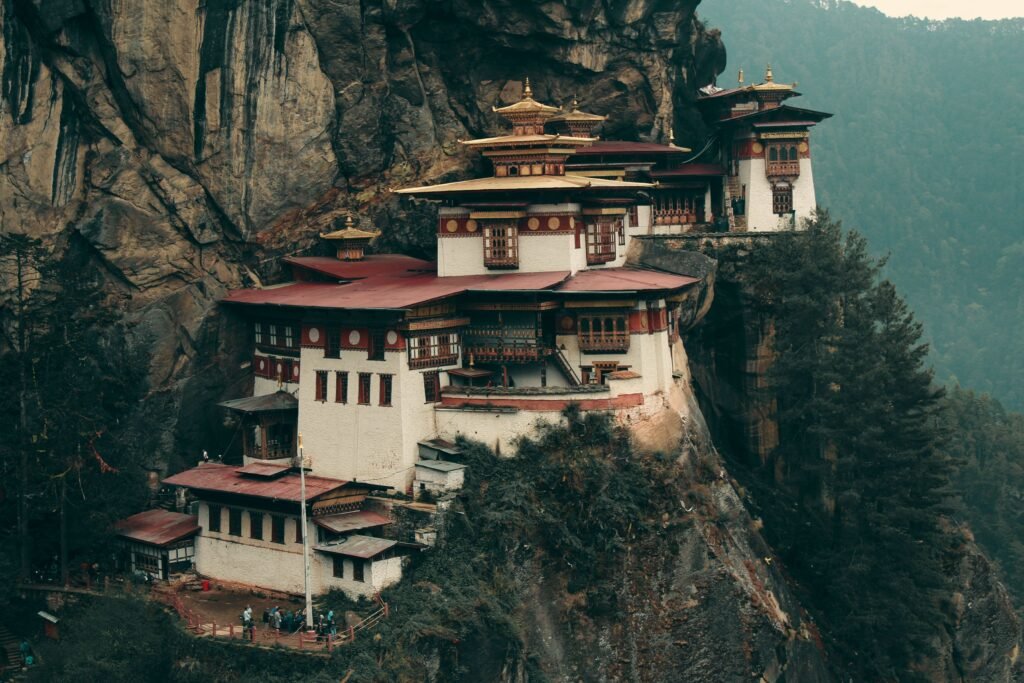
Paro Taktsang. Built into a cliff by people who believed the impossible was simply a matter of faith
Perched at 10,240 feet, this sacred monastery was built in 1692 around the cave where Guru Rinpoche is said to have meditated for three months. The hike takes 2 to 3 hours. Go at dawn. Bring water, bring patience, and leave your phone in your pocket for at least part of the climb. Some things deserve to be felt, not photographed.
When I finally reached the monastery and stepped inside, something shifted. I cannot explain it rationally; I am not sure I want to. There was incense, and butter lamps, and monks chanting in a language I didn’t understand. And I stood there, in this impossible place built into a cliff by people who believed deeply in something, and I felt, for the first time in a long time, completely still.
Not bored. Not empty. Still.
There’s a difference, and Bhutan taught me that difference.
Over the days that followed, I moved through Thimphu, the only capital city in the world with no traffic lights, where a policeman in a white glove directs cars with such grace it looks like a dance. I sat by the Mo Chhu river in Punakha, where the Punakha Dzong rises from the confluence of two rivers like something from a dream. I walked through valleys so green they seemed to glow.
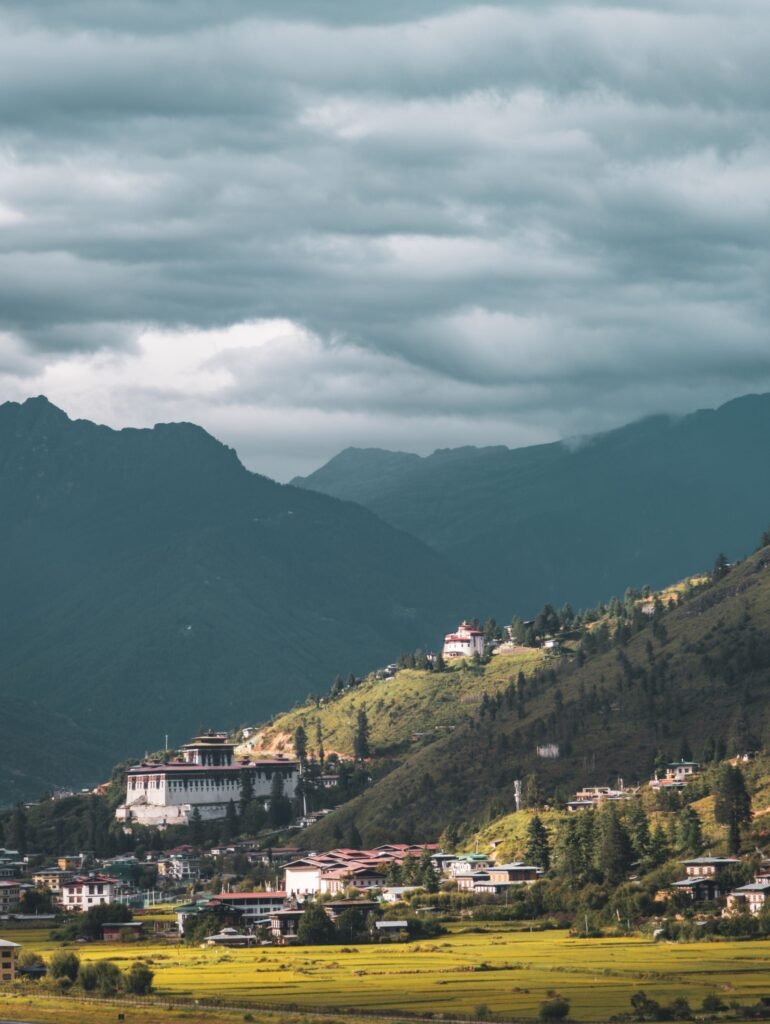
This is what the world looks like when nobody is in a hurry to change it
Everywhere I went, people smiled. Not the professional smile of a hospitality industry. A real one. Unhurried. Unguarded.
“I realised, somewhere between Punakha and Thimphu, that I had been moving through life the way most of us move through airports; efficiently, purposefully, never quite arriving.”
Bhutan slowed me down enough to notice what I had been missing. Not places. I had seen plenty of places. I had been missing the experience of actually being in them.
Bhutan reminded me why I travel. Not to collect countries, though I have collected many. Not to escape, though sometimes that too. But to arrive, at places, and at versions of myself, that I couldn’t have found any other way.
The world is extraordinary. Most of us move through it too fast to notice.
I want to change that, for myself, and perhaps, through this blog, for you too.
The Soulful Mile begins here.
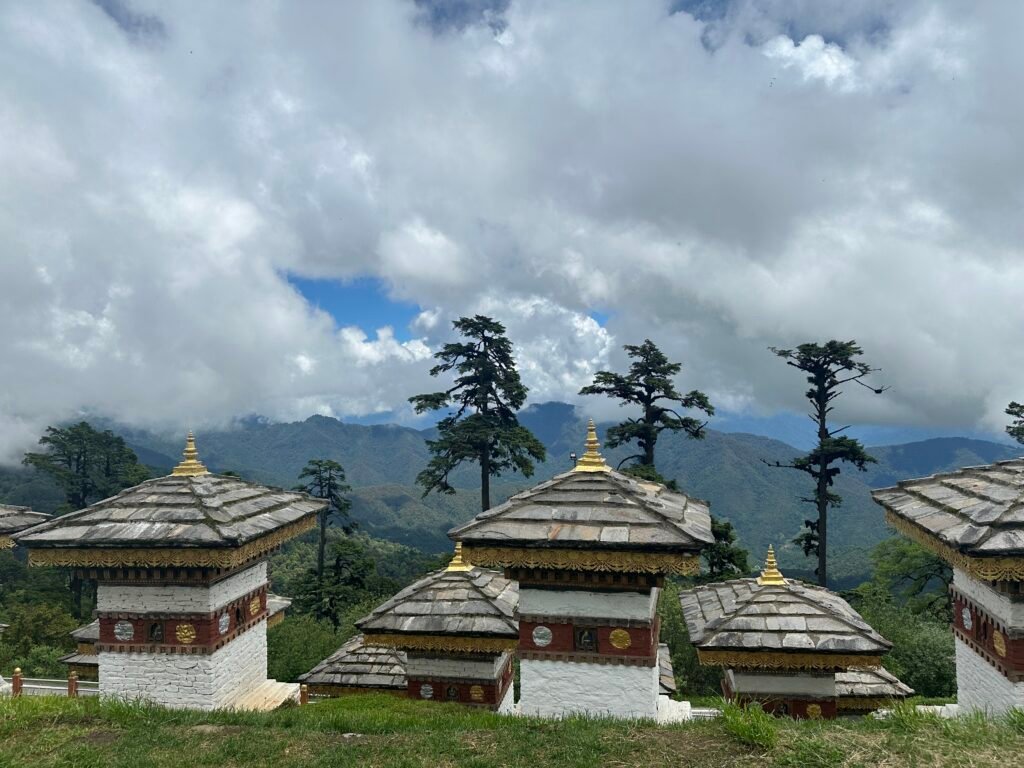
The world, as it was always meant to be
— Sirisha